



- May 27, 2026
- By japnaazsoftwareoffice
- Uncategorized
Great food and great customer service alone won’t make a restaurant or cafe successful. A well thought out kitchen is a big contributor to efficiency, safety and productivity. This is why hiring a Commercial Kitchen Designer is one of the smartest decisions a restaurant owner can make. A professionally designed kitchen helps chefs work faster, reduces operational issues and ensures a smooth workflow.
If you own a small café, a big restaurant or a cloud kitchen, the right design can change your business completely. In this blog, we will discuss the best ideas shared by every experienced Commercial Kitchen Designer to help the restaurants and cafes to improve the performance and functionality.
Why a Commercial Kitchen Layout Matters
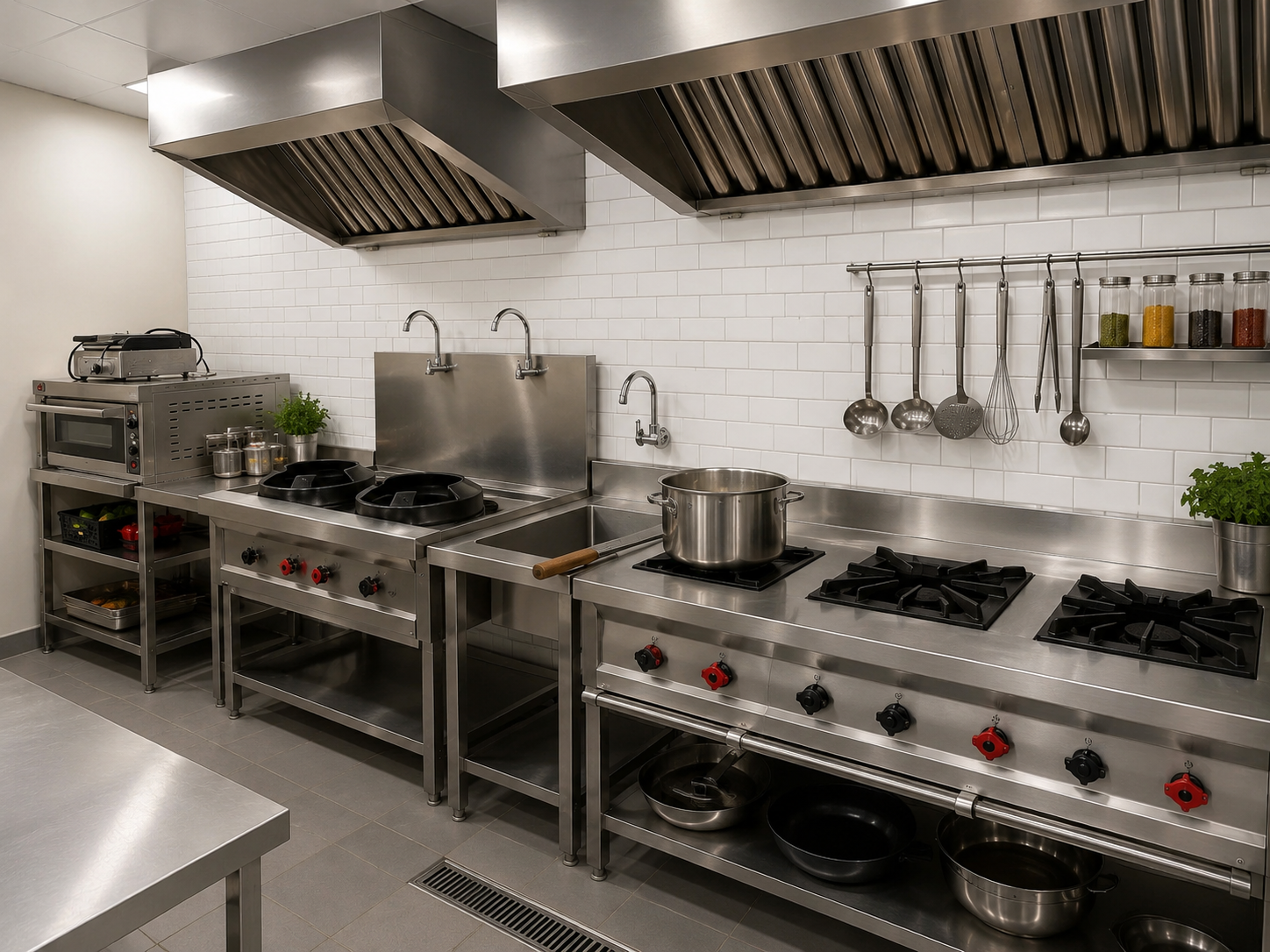
The kitchen is at the core of every food business. Poor layout can slow down staff, create confusion and increase costs of operations. A good commercial kitchen designer knows how to arrange the equipment, storage, prep areas and clean-up stations for the best efficiency.
Here are a few benefits of an organized kitchen design:
- Improved workflows for chefs and staff
- Quicker food preparation
- Better cleanliness and hygiene
- Reduced energy & maintenance costs
- Safer standards
- Easy movement in the kitchen
Hence, it is important that restaurants and cafes plan their kitchen smartly before they start operating.
Open Kitchen Concept for Modern Restaurants
The open kitchen concept is one of the most popular ideas suggested by a Commercial Kitchen Designer. Today in many modern restaurants and cafes, open kitchens are popular because customers like to see how the food is prepared.
The design is to be transparent and earn customers’ trust. It also provides a modern and stylish look to restaurants. Open kitchens are particularly effective in cafes, pizza restaurants, bakeries and fast-casual restaurants.
Good ventilation, organized work stations and attractive placement of equipment are needed to make this concept successful.
Space Optimization for Small Cafes
Small cafes frequently struggle with limited kitchen space. A professional Commercial Kitchen Designer is concerned with how to use every corner without making the area feel crowded.
Some smart space saving ideas include:
- Shelves for vertical storage
- Multipurpose kitchen appliances
- Small refrigeration units
- Prep tables that fold up
- Racks for wall-mounted storage
Effective space management enhances productivity and makes it possible for employees to work comfortably in smaller kitchens.
Smart Workflow Planning
One of the most crucial aspects of kitchen design is workflow planning. A skilled commercial kitchen designer sets out the kitchen to minimize needless movement.
Typically, the kitchen is separated into distinct areas, such as:
- Area for preparing food
- Station for cooking
- Section for cleaning
- Space for storage
- station for serving
This well-organized structure facilitates employees’ seamless transition between jobs and boosts output during peak hours.
Energy-Efficient Kitchen Design
For cafés and restaurants, energy saving has become a top priority. To lower electricity expenses, a contemporary commercial kitchen designer suggests energy-saving appliances and smart lighting options.
Among the energy-saving suggestions are:
- LED lighting systems
- Energy-efficient refrigerators and ovens
- Appropriate ventilation and insulation
- Intelligent temperature regulation systems
These improvements produce an eco-friendly kitchen setting in addition to reducing electricity costs.
Proper Ventilation and Airflow
Another important consideration in kitchen design is ventilation. Inadequate ventilation makes kitchens uncomfortable and dangerous for employees. Effective removal of heat, smoke, and odors is guaranteed by a trained commercial kitchen designer.
Maintaining fresh air in the kitchen and enhancing the working atmosphere are both made possible by effective ventilation systems. Additionally, proper exhaust systems shield kitchen appliances from overheating and grease accumulation.
Durable and Easy-to-Clean Materials
Cafés and restaurants need materials that can withstand frequent, heavy use. A trustworthy commercial kitchen designer selects long-lasting surfaces that are simple to maintain and clean.
Commercial kitchens frequently employ the following materials:
- Countertops made of stainless steel
- Non-slip flooring
- Heat-resistant wall coverings
- Surfaces that are waterproof
These supplies assist companies adhere to food safety regulations and enhance hygiene.
Technology Integration in Modern Kitchens
The restaurant business is changing due to technology, and contemporary kitchen designs increasingly incorporate cutting-edge systems for increased productivity. Smart kitchen technology can be included into the workflow by a competent commercial kitchen designer.
Examples consist of:
- Systems for digital inventory
- Cooking appliances that operate automatically
- Intelligent monitoring of refrigeration
- Integration of POS systems
- Touchless sinks and faucets
Restaurants may save time, cut waste, and enhance service quality with the use of technology.
Flexible Kitchen Design for Future Growth
Over time, cafés and restaurants frequently increase the scope of their offerings. An astute commercial kitchen designer develops adaptable kitchen designs that can accommodate future business expansion.
With modular kitchen sets, owners can reorganize workstations or install new equipment without incurring significant renovation costs. Cloud kitchens and expanding food businesses benefit greatly from flexible designs.
Importance of Storage Solutions
An essential component of any commercial kitchen is storage. Poor storage planning can produce clutter and impede down kitchen activities. The creation of well-organized storage systems is the primary emphasis of a skilled commercial kitchen designer.
Ideas for efficient storage include:
- Separate spaces for cold and dry storage
- Shelves and containers with labels
- Racks for mobile storage
- Cabinets above
Effective storage management facilitates easy access to materials and enhances kitchen hygiene.
Safety and Hygiene Standards
Strict safety and hygienic regulations must be followed in every restaurant kitchen. A reputable commercial kitchen designer makes sure that worker safety and safe food handling are supported by the kitchen layout.
Crucial safety elements consist of:
- Systems for preventing fires
- Non-slip flooring
- Exits for emergencies
- Appropriate drainage systems
- Stations for washing hands
Upholding safety and hygienic standards enhances a company’s reputation while safeguarding employees and clients.
Conclusion
For restaurants and cafés to have a safe, effective, and productive kitchen, selecting the best commercial kitchen designer is crucial. In addition to enhancing productivity and food quality, a well-organized kitchen helps companies save operating expenses and save time. Our goal at Ryan Enterprises is to provide clever and practical kitchen design solutions that are suited to each food business’s particular requirements. Our staff makes sure every kitchen is built for optimal performance and long-term success, from contemporary layouts to long-lasting equipment planning. Ryan Enterprises is your go-to partner for creative kitchen design services if you’re searching for dependable and expert commercial kitchen solutions.
Comments (2)
Hotel Kitchen Setup Amritsar with Expert Design Solutions
Jun 09, 2026[…] Commercial kitchens are still being transformed by technology. In order to increase efficiency, a lot of hotels these days are implementing smart equipment and creative designs. […]
Top Benefits of SS 304 Kitchen Equipment India for Businesses
Jun 10, 2026[…] outstanding durability of SS 304 Kitchen Equipment India is one of its main benefits. Commercial kitchens are harsh settings where equipment is subjected to heat, moisture, grease, and continuous use. […]